
Set the Foundation Before Anything Gets Built
Site Prep in Ridgeland for ground that must be leveled and stabilized before construction begins
Ridgeland Land Management prepares land for construction by grading, leveling, and stabilizing the ground so your foundation, driveway, or structure sits on a solid base. You start with uneven terrain, soft spots, or a lot that slopes in directions that don't support drainage. This service reshapes the land to meet the specifications your builder or engineer provides, removing obstacles and setting elevations that allow water to move away from the structure. It's the step that turns cleared or raw land into a build-ready site.
The work involves heavy equipment that cuts into high spots, fills low areas, and compacts soil to prevent settling. In Madison County, soil composition varies from clay-heavy ground that holds water to sandy patches that shift under weight. The crew adjusts grading techniques based on what's underneath and what's being built on top. Drainage is planned during this phase, not after, so runoff doesn't pool near foundations or erode freshly placed fill.
If your project timeline depends on having the land ready before crews arrive, reach out to schedule site prep early in your planning process.
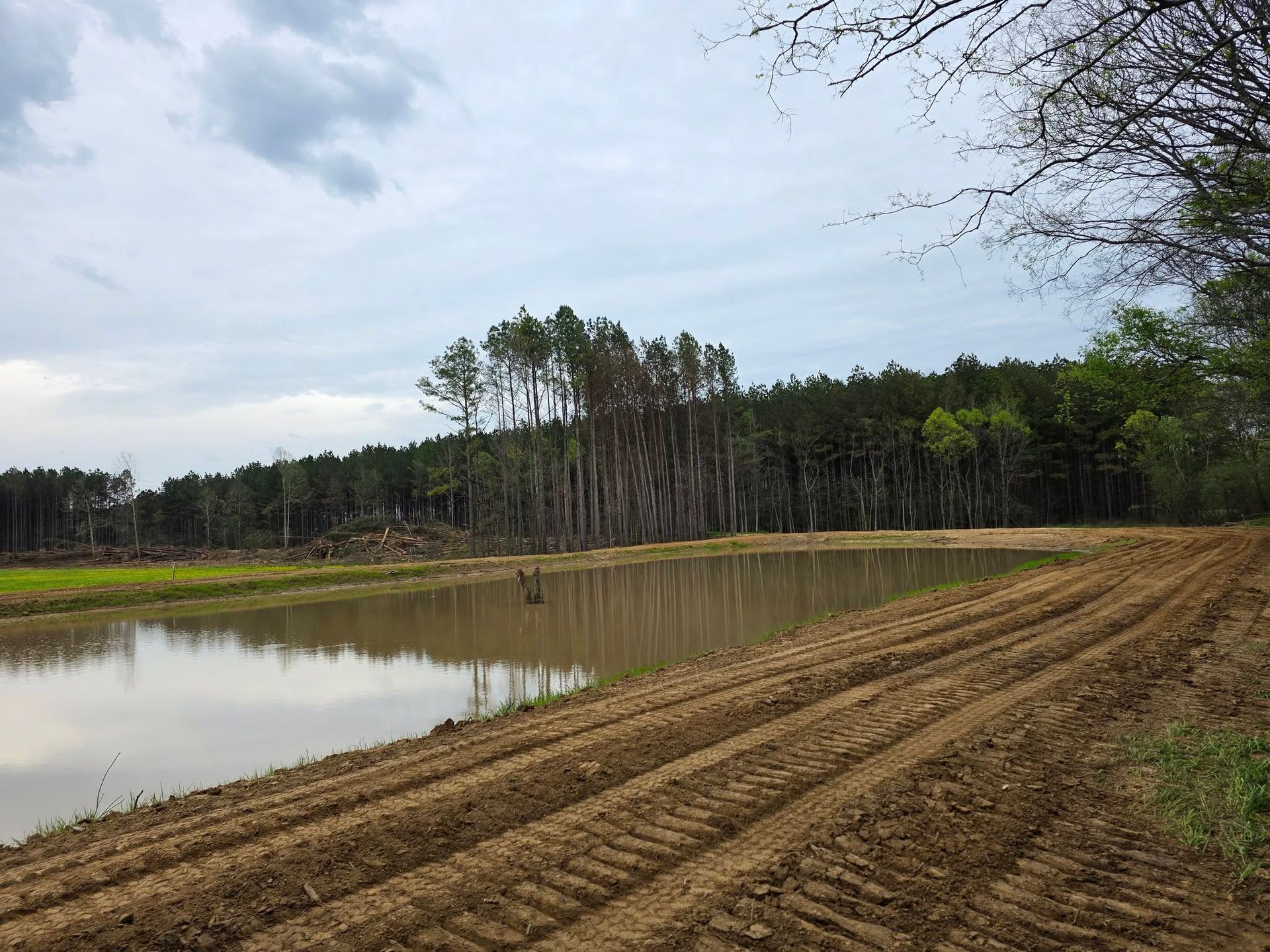
How the Ground Changes During Site Prep
Once the site prep is complete, you'll see level ground where there used to be slopes and dips. The property will have defined grades that direct water toward drainage paths instead of letting it collect in random low spots. Stakes and markers show where foundations or driveways will go, and the surface is compacted enough that equipment won't sink or leave ruts when construction begins.
Ridgeland Land Management works directly with builders and project plans to ensure the land meets the required elevations and tolerances. You won't see soft dirt or loose fill. The ground is rolled and compacted in layers, especially in areas that will support weight. This prevents the sinking or shifting that causes cracks in slabs and driveways months after a home is finished.
Site prep does not include pouring concrete, installing utilities, or building retaining walls unless specified. It delivers graded, compacted land that's ready for the next trade. If your lot requires clearing first, that work happens before site prep begins so the crew has access and accurate visibility of the natural grade.
Common Questions About Preparing Land for Building
These answers cover the practical details property owners and contractors need to know when coordinating site prep work in Ridgeland.
What does site prep include beyond grading?
It includes removing surface debris, setting drainage slopes, compacting fill material, and marking corners or elevation points based on your building plans.
How do you handle drainage on a sloped lot?
The crew grades the land to direct water away from the building footprint and toward designated drainage areas, swales, or retention zones based on site conditions.
When should site prep happen in the construction timeline?
It should be completed after land clearing and before any foundation work begins, typically one to two weeks ahead of the concrete or framing crew.
Why is compaction necessary during site prep?
Compaction prevents the soil from settling unevenly after construction, which can cause foundation movement, cracked slabs, or uneven driveways over time.
What equipment does Ridgeland Land Management use for site prep?
The crew uses dozers for grading, excavators for cutting and filling, and compactors or rollers to stabilize the soil in layers as the work progresses.
If you're coordinating with a builder or working on your own project, Ridgeland Land Management can deliver land that's graded, stable, and ready for the next phase of construction.