
Prepare a Durable Base for Property Access
Driveways in Ridgeland for new construction, replacement access routes, and gravel installations requiring proper grading and drainage for long-term use
Ridgeland Land Management installs and prepares driveways for residential and rural properties where access needs to be reliable, well-drained, and built to last. You may be adding a driveway to a new home site, replacing a washed-out or rutted path, or upgrading a dirt track to a compacted gravel surface. Proper driveway preparation ensures that vehicles can enter and exit safely without sinking into mud or creating erosion problems.
This service involves grading the driveway route to the correct slope, removing soft or unsuitable material, and installing a compacted base layer. Gravel is spread and leveled to create a stable driving surface that sheds water and resists rutting. The driveway is shaped to direct runoff toward ditches or swales, preventing pooling and erosion along the edges.
Reach out to discuss your driveway length, grade, and whether the route will connect to an existing road or need culvert installation.
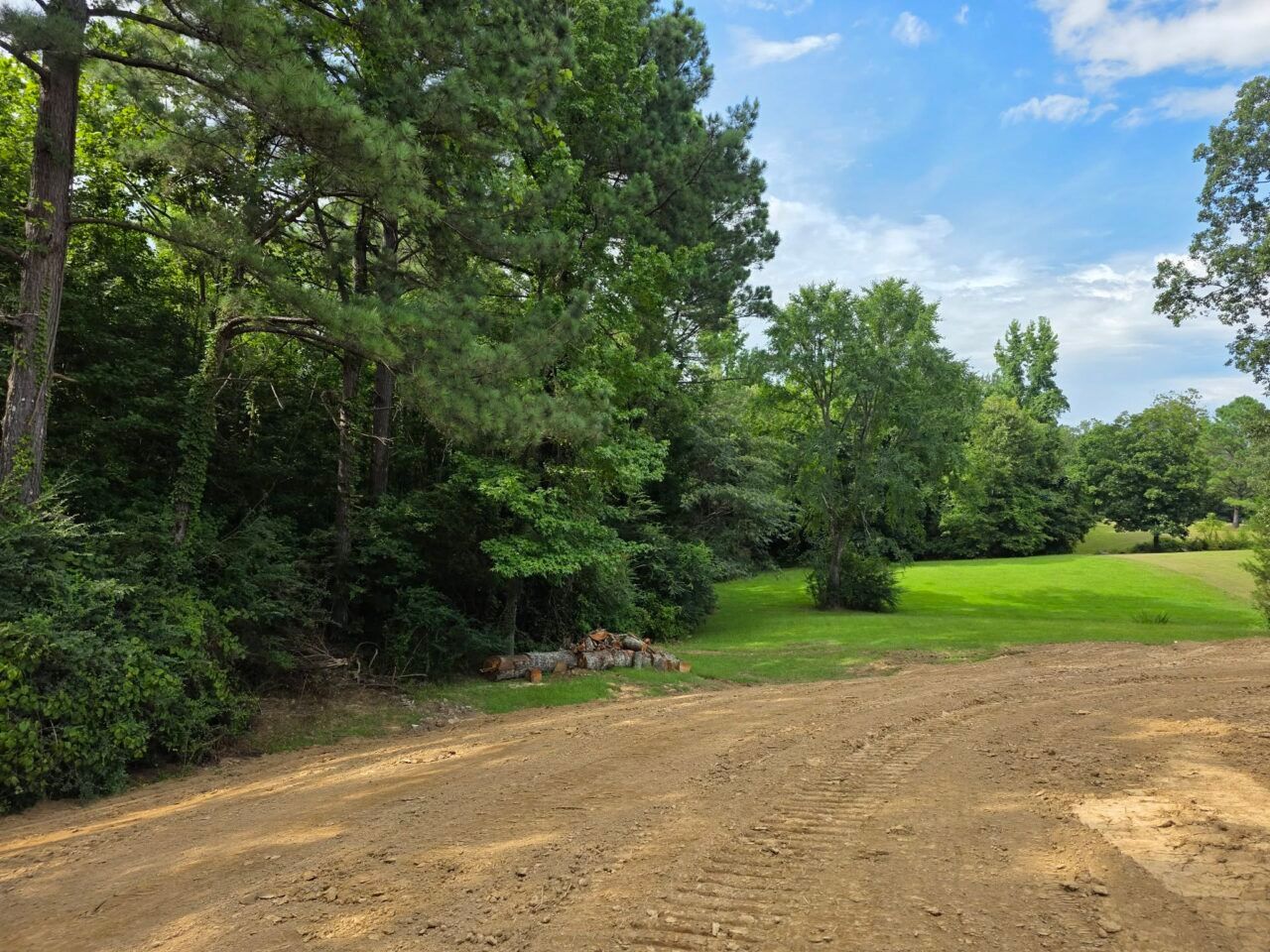
How Driveways Are Built for Stability and Drainage
You begin by marking the driveway path and identifying any low spots, drainage crossings, or areas where the grade is too steep. Ridgeland Land Management removes topsoil and unstable material, then shapes the subgrade to a crown or slope that moves water off the surface. A layer of crushed stone or gravel base is spread and compacted to create a firm foundation. The final gravel surface is graded smooth and crowned slightly to keep water flowing toward the edges.
After the driveway is complete, you will notice a firm surface that supports vehicle traffic without sinking or shifting, even after rain. Water runs off cleanly instead of pooling in ruts or washing away material. The driveway connects your home or building site to the road without creating muddy, impassable sections during wet weather.
This service does not include paving, asphalt installation, or concrete work. It also does not cover decorative surfacing or ongoing gravel replenishment. Driveway preparation focuses on grading, base installation, and compacted gravel placement to create a functional access route.
What to Consider When Planning a New Driveway
Most clients want to understand material options, drainage requirements, and how the driveway will hold up under local conditions.
What type of gravel works best for driveways in Ridgeland?
Crushed limestone or granite with a mix of fines compacts well and resists washout. Avoid rounded river gravel, which does not lock together and shifts under traffic. The right material depends on soil type, traffic load, and whether the driveway will be paved later.
How much slope should a driveway have?
A slope of two to three percent keeps water moving without being too steep for safe vehicle use. Steeper sections may need additional grading or gravel depth to prevent erosion, especially in areas with heavy rainfall like Madison County.
When should you install a culvert?
If the driveway crosses a ditch, low area, or drainage path, a culvert is necessary to allow water to flow underneath without washing out the surface. Culvert size and placement depend on the volume of runoff and local drainage patterns.
How often does a gravel driveway need maintenance?
You should plan to regrade and add gravel every few years depending on use and weather. Driveways that see frequent heavy traffic or are located on steep slopes may need attention sooner.
Why is proper base preparation important?
Without a compacted base, the driveway will settle unevenly, develop ruts, and require constant repair. A well-prepared base distributes weight and prevents gravel from sinking into soft soil.
Call Ridgeland Land Management at (769) 232-2371 to request an estimate and review your driveway route, drainage needs, and material options.