
Clear Without Hauling or Burning Debris
Mulching in Ridgeland for fast vegetation removal that leaves ground covered and erosion controlled
Ridgeland Land Management grinds brush, saplings, and undergrowth into mulch on-site using forestry equipment that processes vegetation without the need to haul it away or burn piles. You see overgrown fence lines, thick brush along trails, or wooded areas that need thinning but don't require full clearing. This service chews through the growth and leaves behind a layer of shredded organic material that settles into the soil, reduces erosion, and keeps new growth from taking over immediately.
The mulching head on the machine cuts through stems up to several inches in diameter, grinding everything into small chips that drop to the ground. In Mississippi, where humidity and rainfall support rapid regrowth, mulching slows that process by covering the soil and blocking sunlight from reaching seeds and roots. It's faster than traditional clearing methods and less disruptive to the surrounding land because there's no need to pile, load, or transport debris off the property.
If you need ongoing maintenance or a one-time clearing of wooded areas, contact Ridgeland Land Management to discuss the scope and schedule a site visit.
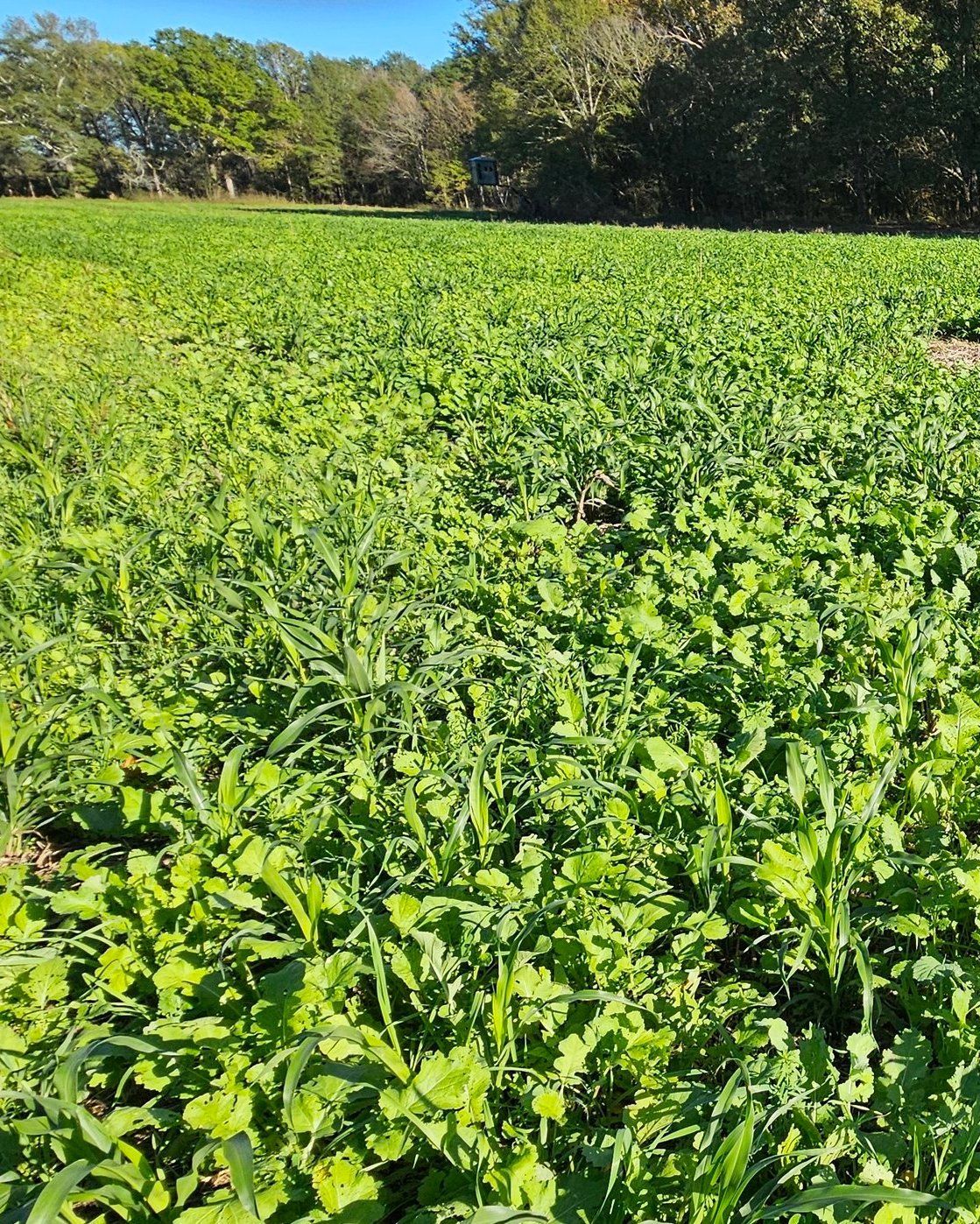
What the Property Looks Like After Mulching
Once the work is finished, the thick brush and tangled undergrowth are gone, replaced by a ground layer of mulch that looks clean and uniform. You'll be able to walk the property, see boundary lines, and access areas that were previously blocked. The mulch layer also absorbs rainfall and reduces runoff, which helps prevent gullies and soil washout on sloped or uneven terrain.
Ridgeland Land Management uses mulching for large properties, trail maintenance, and areas where preserving topsoil matters. The process doesn't tear up the ground the way dozer work does, so you keep the existing grade and soil structure intact. If you're managing acreage or maintaining land around a home or outbuilding, mulching gives you control without stripping the site down to bare dirt.
This service does not remove large trees, stumps, or graded fill dirt. It's designed for vegetation management, not earthmoving. If your property requires grading or excavation in addition to clearing, those services are handled separately and can be coordinated in sequence.
What Property Owners Ask About Mulching
The following questions address how mulching works, what it handles, and when it makes sense for land management in Ridgeland and Madison County.
What size vegetation can the mulcher handle?
Most forestry mulchers process brush, saplings, and small trees up to six inches in diameter, depending on the machine and density of growth.
How does mulching prevent erosion after clearing?
The mulch layer covers bare soil, slows water movement across the surface, and allows rainfall to soak in rather than washing topsoil downhill.
When is mulching a better option than traditional clearing?
Mulching works best when you want to maintain ground cover, avoid hauling costs, and clear vegetation without disturbing the soil or creating large debris piles.
Why does mulched material break down faster in Mississippi?
High humidity, warm temperatures, and frequent rain speed up decomposition, turning the mulch into organic matter that enriches the soil over time.
What areas are best suited for mulching on a property?
Mulching is ideal for trails, fence lines, buffer zones, wooded edges, and large tracts where you need visibility and access without full land clearing.
Whether you're clearing overgrowth once or managing land on a regular basis, Ridgeland Land Management can mulch the areas you need and leave your property accessible and protected from erosion.